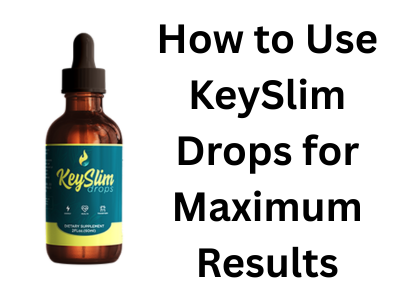
Most advice about weight management misses key facts, leaving even health-conscious adults and American readers frustrated by slow or risky results. False weight loss beliefs flood the internet, yet only a small number of strategies truly work for lasting change. Understanding these myths matters because what you believe shapes every choice, from trying the latest supplement to skipping entire meals. Find out which common claims to avoid, and learn how science-backed habits can support real, lifelong results.
Table of Contents
- What Are Weight Loss Myths?
- Different Types of Weight Loss Myths
- How Myths Influence Diet Choices
- Supplements and Quick Fixes Debunked
- Risks of Believing False Information
- Evidence-Based Paths to Real Results
Key Takeaways
| Point | Details |
|---|---|
| Beware of Weight Loss Myths | Many misconceptions about weight loss can misguide individuals and lead to harmful practices that undermine health. Understanding these myths is crucial for effective weight management. |
| Focus on Evidence-Based Strategies | Sustainable weight loss relies on a balanced approach, including proper nutrition, regular exercise, and lifestyle adjustments rather than extreme diets or quick fixes. |
| Consult Professionals | Seeking guidance from healthcare professionals and registered dietitians can help individuals develop tailored weight management plans that align with their unique metabolic needs. |
| Understand Metabolic Complexity | Weight management is influenced by various factors beyond simple calorie counting, such as hormonal responses and individual physiological differences, necessitating a more nuanced approach. |
What Are Weight Loss Myths?
Weight loss myths represent widespread misconceptions that distort people’s understanding of effective weight management. These popular but scientifically unfounded beliefs can significantly impact personal health decisions and perpetuate ineffective or potentially harmful approaches to losing weight. Weight loss myths pertain to misunderstandings surrounding obesity and weight management that often emerge from oversimplified narratives about human metabolism and body composition.
Common weight loss myths typically fall into several problematic categories. Some myths suggest radical dietary restrictions or magical solutions, while others promote unrealistic expectations about rapid transformation. These misconceptions can lead individuals to adopt ineffective strategies that not only fail to produce sustainable results but may also potentially harm their metabolic health. Myths often gain traction through social media, unverified health blogs, and word-of-mouth recommendations that lack scientific credibility.
Understanding these myths requires critically examining the underlying assumptions and recognizing the complex biological processes involved in weight management. People frequently believe oversimplified narratives like “calories in, calories out” or assume that extreme exercise regimens guarantee immediate weight loss. In reality, human metabolism involves intricate hormonal, genetic, and environmental factors that cannot be reduced to simplistic formulas.
Pro tip: Always consult healthcare professionals and rely on evidence-based research when evaluating weight loss strategies, rather than trusting popular but unsubstantiated claims.
Different Types of Weight Loss Myths
Weight loss myths encompass a wide range of misconceptions that can derail individuals’ health and fitness goals. Different types of weight loss myths include widespread beliefs about supplements, diet composition, and exercise effectiveness, which often lead people astray from scientifically proven strategies for sustainable weight management. These myths can be categorized into several distinct groups that consistently misguide individuals about effective weight loss approaches.
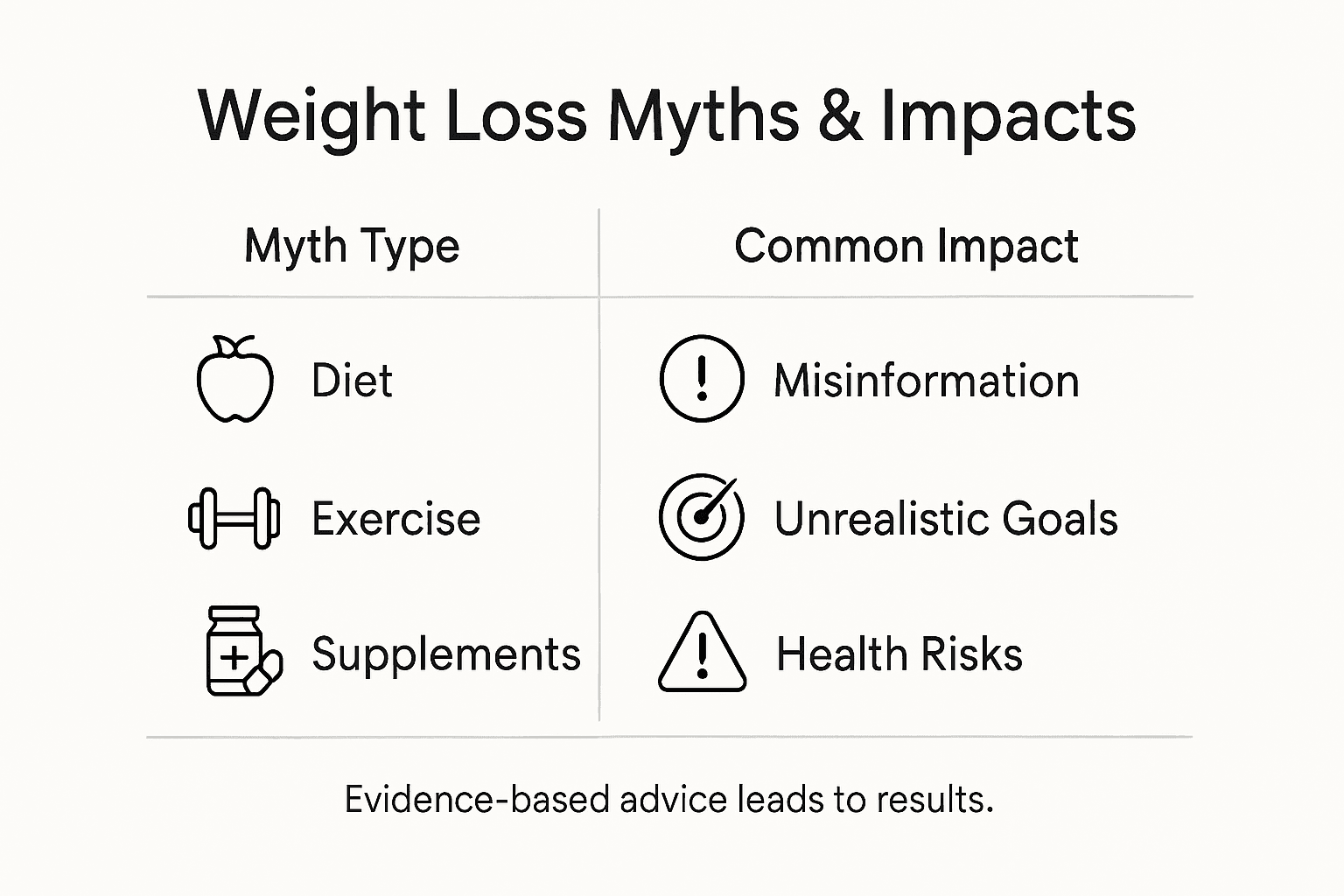
One prevalent category involves dietary misconceptions that oversimplify nutrition. Many people believe carbohydrates are inherently fattening or that completely eliminating entire food groups will guarantee weight loss. Another dangerous myth suggests that supplements alone can magically transform body composition without lifestyle changes. Weight loss myths often involve misunderstandings about food groups and the necessity of intense exercise, creating unrealistic expectations about quick and effortless transformation.
Exercise-related myths represent another significant category of misinformation. People frequently believe that extreme workout regimens or spending countless hours in the gym are the only paths to weight loss. Some individuals mistakenly think that specific exercise types can target fat loss in particular body areas, a concept known as “spot reduction” that lacks scientific support. These myths not only create unrealistic expectations but can also lead to potential injury and metabolic disruption when individuals push themselves beyond reasonable limits.

Pro tip: Consult certified nutritionists and healthcare professionals who can provide personalized, evidence-based guidance tailored to your unique metabolic needs and health goals.
Here’s a comparison of common weight loss myth categories and their impact:
| Myth Category | Typical Misconception | Potential Negative Impact |
|---|---|---|
| Dietary Myths | Cutting carbs ensures weight loss | Restrictive, unbalanced diets |
| Supplement Myths | Pills alone can cause major fat loss | Wasted money, health risks |
| Exercise Myths | Extreme workouts melt fat fast | Injury, frustration, burnout |
| Spot Reduction | Targeted exercises remove local fat | Unrealistic expectations |
How Myths Influence Diet Choices
Myths about nutrition and food can profoundly shape dietary attitudes and behaviors, creating powerful psychological barriers that often override scientific understanding. These deeply ingrained beliefs transform how individuals approach eating, making them susceptible to misinformation that can significantly impact long-term health outcomes. The pervasive nature of these myths means that even well-educated individuals frequently make dietary choices based on popular misconceptions rather than evidence-based nutritional science.
The psychological mechanism behind dietary myths involves complex social and cultural dynamics. Diet myths influence food choices by shaping individual preferences, social interactions, and cultural norms, creating a powerful ecosystem of misinformation. For instance, trends like “low-carb” or “fat-free” diets gain traction not because of scientific validity, but through social reinforcement and compelling marketing narratives that promise quick transformations.
These myths operate on multiple levels, affecting personal decision-making, social interactions, and even broader health perceptions. People often adopt dietary practices based on anecdotal evidence, celebrity endorsements, or simplified interpretations of nutritional research. This can lead to extreme dietary restrictions, unnecessary supplement consumption, or complete misunderstandings about balanced nutrition. The result is a landscape where personal beliefs frequently triumph over scientific recommendations.
Pro tip: Develop a habit of critically evaluating nutrition information by consulting multiple credible sources and seeking guidance from registered dietitians before making significant dietary changes.
Supplements and Quick Fixes Debunked
Weight loss supplements represent one of the most pervasive myths in the health and fitness industry. Comprehensive reviews indicate that most weight loss supplements have minimal supporting evidence and should be used cautiously, yet millions of Americans continue to invest billions of dollars annually in these questionable products. The allure of a quick solution often overshadows the fundamental reality that sustainable weight management requires comprehensive lifestyle changes.
The supplement market thrives on creating elaborate marketing narratives that promise miraculous transformations. Products claiming to burn fat, suppress appetite, or accelerate metabolism frequently lack rigorous scientific validation. Many supplements rely on anecdotal testimonials and carefully curated before-and-after images rather than peer-reviewed research. These marketing strategies exploit individuals’ desperation for rapid weight loss, presenting complex metabolic processes as something that can be solved through a simple pill or powder.
Understanding the limitations of supplements requires recognizing that genuine weight loss involves intricate biological processes. While some supplements might offer modest benefits when combined with proper diet and exercise, they are not magic solutions. The most effective approach remains a holistic strategy involving balanced nutrition, regular physical activity, adequate sleep, and stress management. Quick fixes and miracle supplements often create unrealistic expectations that ultimately lead to disappointment and potential health risks.
Pro tip: Consult a registered dietitian or healthcare professional before starting any supplement regimen, and prioritize evidence-based lifestyle modifications over quick-fix solutions.
Risks of Believing False Information
False and misleading information about weight loss can lead to profoundly dangerous health consequences, extending far beyond simple ineffective diet strategies. Misinformation creates a complex web of psychological and physiological risks that can derail an individual’s health journey. These misconceptions not only waste time and resources but can potentially cause long-term damage to metabolic processes and mental well-being.
Nutrition misinformation contributes to harmful behaviors that undermine physical and psychological health, including extreme dietary restrictions and dangerous weight loss practices. People frequently adopt radical approaches based on unverified claims, leading to nutrient deficiencies, metabolic disruptions, and increased anxiety about their body image. The psychological toll can be especially significant, creating cycles of frustration, self-doubt, and potential eating disorders.
The risks of believing false information extend beyond individual health, impacting broader societal perceptions of nutrition and wellness. Misinformation creates distrust in scientific recommendations, undermines public health education, and perpetuates harmful stereotypes about body weight and health. Vulnerable populations are particularly susceptible, often falling prey to quick-fix solutions and pseudoscientific claims that promise miraculous transformations without understanding the complex biological processes involved in sustainable weight management.
Pro tip: Develop critical thinking skills by cross-referencing health information with peer-reviewed scientific sources and consulting qualified healthcare professionals before making significant lifestyle changes.
Evidence-Based Paths to Real Results
Evidence clearly indicates that successful long-term weight loss requires creating a sustainable negative energy balance through high-quality nutritional choices, rather than following extreme or restrictive diet trends. This approach emphasizes understanding individual metabolic needs and developing personalized strategies that integrate nutrition, physical activity, and lifestyle modifications. Sustainable weight management is not about quick fixes or dramatic transformations, but about consistent, intelligent choices that support overall health.
The scientific foundation of effective weight loss revolves around three core principles: nutrition quality, consistent energy balance, and individual metabolic adaptability. Different macronutrient combinations can yield similar results, which means there is no universal “perfect” diet. What matters most is finding an approach that provides balanced nutrition, maintains metabolic health, and can be consistently maintained over time. This requires moving beyond simplistic calorie counting and understanding the complex interplay between food intake, hormonal responses, and individual physiological variations.
Implementing evidence-based weight loss strategies demands a comprehensive approach that goes beyond dietary restrictions. Successful individuals typically combine strategic nutritional planning with regular physical activity, stress management, adequate sleep, and ongoing health monitoring. The goal is not just losing weight, but creating a sustainable lifestyle that supports long-term metabolic health, muscle preservation, and overall well-being. This holistic perspective recognizes that weight management is a dynamic process requiring continuous adaptation and personalized strategies.
Pro tip: Develop a personalized weight management plan by consulting healthcare professionals who can provide tailored guidance based on your unique metabolic profile and health objectives.
Below is a summary of evidence-based strategies versus common quick-fix methods:
| Approach Type | Main Principle | Effectiveness for Long-Term Results |
|---|---|---|
| Crash Diets/Supplements | Extreme restriction or pills | Unsustainable, often harmful |
| Balanced Nutrition | Moderate, nutrient-rich intake | Supports health and slow, steady loss |
| Lifestyle Change | Diet + activity + sleep | Most effective for lifelong weight control |
| Calorie Counting Alone | Focus on calories only | May overlook nutrition quality |
Discover Real Weight Loss Solutions Beyond the Myths
The struggle to navigate through confusing weight loss myths can leave you feeling frustrated and stuck. This article highlights the common misunderstandings about diet, supplements, and exercise that create unrealistic expectations and hinder lasting results. If you are tired of quick fixes that fail and want to embrace a natural and effective approach to weight management, exploring trusted options is essential. KeySlim Drops offer a unique, natural liquid formula designed to support your body’s fat-burning process without the extreme restrictions or ineffective supplements that many myths promote.
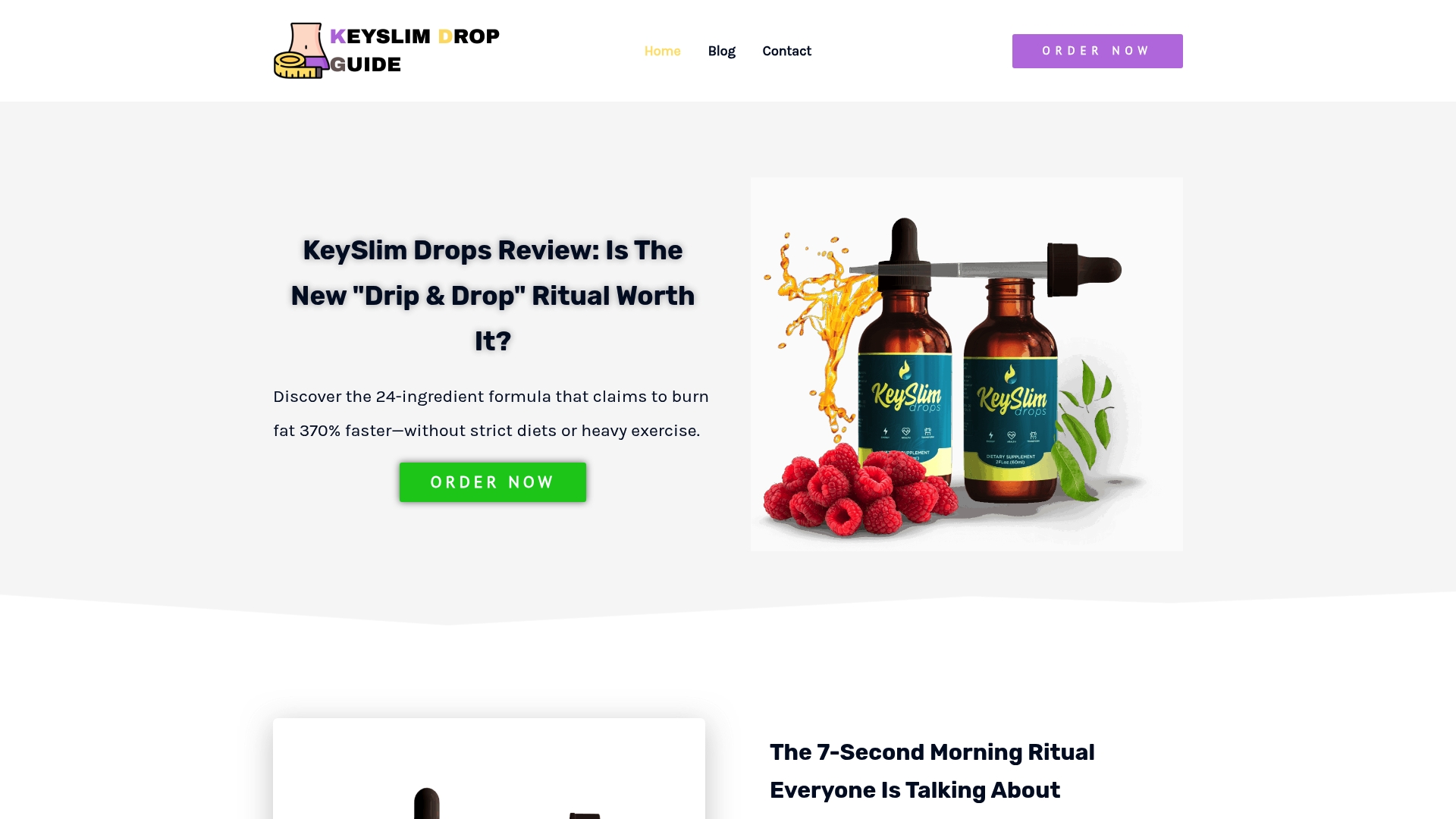
Take control of your weight loss journey today with a solution that complements balanced nutrition and a healthy lifestyle. Visit KeySlim Drops Guide to learn more about how this product can help you achieve sustainable results. For insightful tips and honest information, check out our Uncategorized Archives – KeySlim Drops Guide and get empowered to make informed choices. Start working smarter toward your wellness goals instead of falling for misleading claims. Your path to real change begins with knowledge and the right support.
Frequently Asked Questions
What are some common weight loss myths?
Common weight loss myths include the belief that cutting carbs guarantees weight loss, that supplements alone can provide significant results, and that extreme exercise is the only effective way to lose weight.
How do weight loss myths influence dietary choices?
Weight loss myths can create psychological barriers and skew individuals’ food choices, often promoting extreme dietary restrictions or unbalanced eating habits instead of evidence-based nutrition.
Are weight loss supplements effective for achieving weight loss?
Most weight loss supplements have minimal scientific backing and should be used cautiously; real weight loss comes from comprehensive lifestyle changes rather than quick-fix products.
What are effective, evidence-based strategies for weight loss?
Effective weight loss strategies include creating a sustainable negative energy balance through nutrient-rich foods, integrating regular physical activity, managing stress, and ensuring adequate sleep, rather than relying on crash diets or supplements.